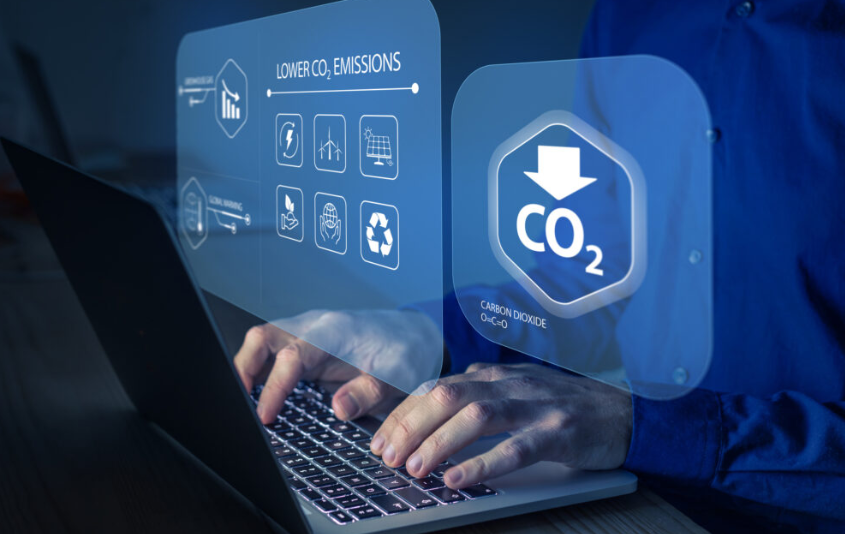
Technology significantly contributes to the reduction of carbon footprints across multiple sectors. Smart home technologies optimize energy usage, while electric vehicles offer a cleaner alternative for transportation. Renewable energy innovations further support this shift towards sustainability. Additionally, data analytics plays a vital role in minimizing waste. Each of these components interconnects, shaping a more environmentally responsible future. Yet, the full potential of these advancements has yet to be fully realized.
Smart Home Technologies and Energy Efficiency
As households increasingly adopt smart home technologies, their potential to enhance energy efficiency becomes more evident.
Smart thermostats intelligently adjust heating and cooling based on occupancy and preferences, optimizing energy usage. Meanwhile, energy monitors provide real-time data on consumption patterns, empowering homeowners to make informed decisions.
Together, these innovations foster a proactive approach to energy management, significantly reducing carbon footprints while promoting sustainable living.
See also: How Technology Is Transforming Healthcare
Electric Vehicles and Sustainable Transportation
While the transition to electric vehicles (EVs) is often viewed as a crucial step toward sustainable transportation, the broader implications extend to reduced greenhouse gas emissions and decreased reliance on fossil fuels.
Advancements in battery technology enhance vehicle efficiency, while the development of robust charging infrastructure supports widespread adoption.
Together, these elements contribute significantly to a cleaner, more sustainable transportation landscape, empowering individuals and communities alike.
Renewable Energy Innovations
Renewable energy innovations are transforming the energy landscape, significantly contributing to carbon footprint reduction.
Advances in solar power technology, such as improved photovoltaic cells, enhance energy efficiency and accessibility. Likewise, innovations in wind energy, including more efficient turbine designs, maximize energy capture.
Together, these developments empower individuals and communities, fostering a sustainable future while reducing reliance on fossil fuels and minimizing environmental impacts.
Data Analytics and Waste Reduction Strategies
The integration of data analytics with waste reduction strategies represents a significant advancement in optimizing resource management and minimizing environmental impact.
Predictive analytics enables organizations to forecast waste generation, allowing for effective inventory optimization. This proactive approach not only reduces excess materials but also enhances sustainability efforts, ultimately fostering a culture of environmental responsibility while empowering businesses to operate more efficiently and maintain ecological balance.
Conclusion
In a world increasingly defined by its technological advancements, it is paradoxical that the very tools designed to enhance convenience are now pivotal in combating climate change. As smart systems, electric vehicles, and renewable energy solutions proliferate, one must reflect on the irony: humanity’s relentless pursuit of comfort has inadvertently birthed a path toward sustainability. Thus, it becomes evident that the future of our planet hinges not only on innovation but also on a mindful embrace of these technologies for the greater good.