Across Australia and beyond, granny flat homes have evolved from a niche housing option into one of the most sought-after property investments of the decade. Driven by housing affordability pressures, multigenerational living trends, and the opportunity to generate rental income, granny flats are reshaping how homeowners think about their land. Whether attached to the main residence or free-standing at the rear of a block, these secondary dwellings are delivering real financial and lifestyle value to thousands of Australians every year.
What Are Granny Flat Homes?
Granny flat homes are self-contained secondary dwellings built on the same lot as a primary residence. They feature all the essentials of independent living — a bedroom or two, a kitchen, bathroom, and living area — in a compact and efficient footprint. Despite the name, today’s granny flats are no longer just for aging relatives. They serve as income-producing rentals, home offices, studio spaces, teenage retreats, and accommodation for adult children navigating an increasingly expensive housing market.
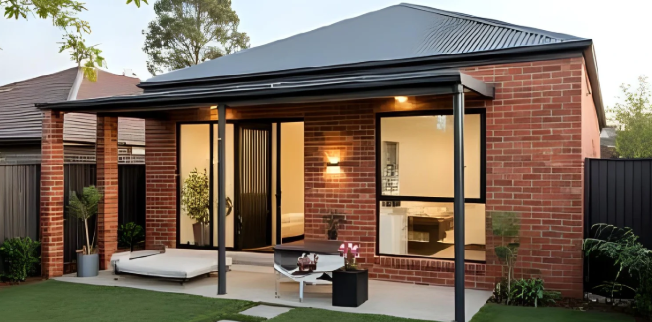
Modern granny flats have also undergone a dramatic design transformation. Where once they were considered afterthoughts bolted onto existing homes, today’s iterations are architecturally considered, energy-efficient, and built to the same standard as primary dwellings. High ceilings, open-plan layouts, premium finishes, and smart home technology are now common features in purpose-built secondary dwellings across the country.
Why Granny Flats Are Trending in 2025
According to the Australian Bureau of Statistics, demand for secondary dwellings has grown substantially as housing affordability remains a critical challenge in major Australian cities. Perth, in particular, has seen a sharp uptick in granny flat approvals as homeowners seek to maximize the value of their existing land holdings without the cost or complexity of purchasing a new investment property.
Several macro-trends are driving this surge. First, multigenerational households are becoming more common as family members choose to live in close proximity while maintaining independent spaces. Second, rising rents in Perth and surrounding suburbs have made granny flat rental income an attractive proposition for homeowners. A well-positioned granny flat can generate between $250 and $500 per week in rental income, significantly offsetting mortgage repayments. Third, the cost of building a granny flat is considerably lower than purchasing an investment property, making it an accessible entry point for first-time property investors.
The Role of a Granny Flats Builder
Choosing the right granny flats builder is one of the most important decisions in the entire process. A specialist builder brings expertise that generalist contractors often lack: familiarity with local council requirements, knowledge of efficient secondary dwelling floor plans, established relationships with tradespeople, and a streamlined approvals process that reduces delays and unexpected costs.
An experienced granny flats builder will guide homeowners through site assessment, design selection, planning approvals, construction, and final inspection. They will also advise on orientation and placement to maximize natural light and privacy for both the granny flat occupants and the main home residents. The difference between a builder who specializes in secondary dwellings and one who does not is often measured in months of time and thousands of dollars in avoidable costs.
See also: Custom Paw traits: Turning Your Dog’s Personality into Timeless Art
Designing Granny Flat Homes for Modern Living
The most successful granny flat homes are those designed with the end user in mind from the outset. Key design considerations include:
· Private access — Separate entry points from the main residence ensure privacy and independence for both households.
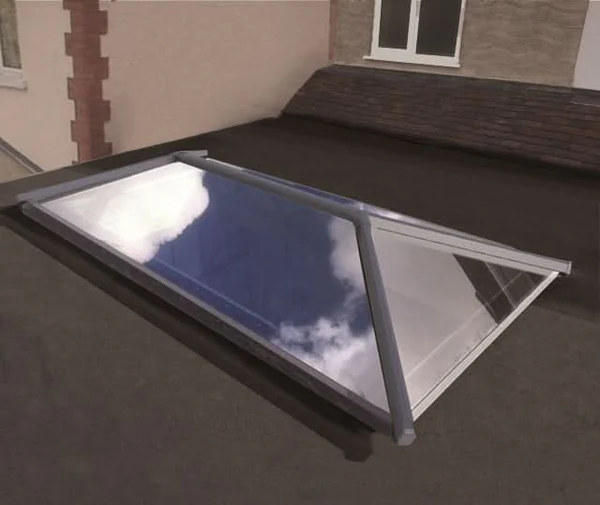
· Natural light — North-facing windows, skylights, and open layouts make compact spaces feel larger and more livable.
· Storage — Built-in wardrobes, overhead cabinetry, and clever storage solutions are essential in smaller footprints.
· Outdoor living — A small covered alfresco or courtyard meaningfully extends the usable living space.
· Energy efficiency — Solar panels, insulation, and energy-efficient appliances reduce running costs and attract quality tenants.
Many builders now offer a range of pre-designed floor plans that can be customized to suit the block, the budget, and the intended occupant. This standardized approach reduces design costs and speeds up the approvals process without sacrificing quality or personalization.
Planning and Approval: What Homeowners Need to Know
Every state and territory in Australia has its own planning rules governing secondary dwellings, and Western Australia is no exception. In Perth, the R-Codes (Residential Design Codes) set out requirements for granny flat construction, including minimum lot sizes, setbacks, maximum floor areas, and the relationship between the secondary dwelling and the primary residence.
Most granny flats in Perth require Development Approval from the local council, although some complying designs may qualify for a streamlined approval pathway. A knowledgeable granny flats builder handles this process on behalf of the homeowner, preparing and submitting the necessary documentation and managing any council queries. Understanding the approval timeline — typically six to twelve weeks for a standard application — is essential for project planning.
Return on Investment: The Financial Case for Granny Flats
For homeowners weighing up the financial merits, the return on investment for a granny flat is compelling. Construction costs for a quality secondary dwelling in Perth typically range from $100,000 to $180,000 depending on size, design, and site conditions. At a rental yield of $300 per week, that investment could be recouped within seven to ten years, while also adding significant value to the overall property.
Beyond rental income, a granny flat adds to the property’s market value, increases lender serviceability assessments for refinancing, and provides flexibility that a standalone investment property simply cannot match. It is little wonder that granny flat homes have become the residential investment story of the decade.
For homeowners in Perth looking to explore their options, working with a trusted granny flats builder is the first step toward turning underutilized land into a high-performing asset. With the right partner, the process is far more straightforward than most homeowners expect.