Choosing the right rooflight for your home is an exciting way to bring natural light into your space, improve energy efficiency, and enhance the overall aesthetic of your interiors. However, with so many styles available, it can be tricky to know which one suits your roof type and the room you’re looking to brighten. In this guide, we’ll break down the main rooflight styles—from fixed and opening to roof lanterns, domes, and circular designs—and explain which roof types and spaces they complement best.
Whether you have a flat roof or a pitched roof, this guide will help you make an informed choice, complete with comparisons, practical pointers, and examples to simplify your decision-making.
1. Fixed Rooflights
Fixed rooflights are the simplest and most cost-effective option. As the name suggests, they do not open, providing a permanent source of daylight without ventilation.
Best for:
- Pitched roofs or flat roofs where ventilation is not required
- Spaces where natural light is needed but airflow isn’t critical, such as hallways, stairwells, or living rooms
Advantages:
- Low maintenance and highly durable
- Excellent for creating bright spaces in rooms that don’t need air circulation
- Can be made in a variety of shapes and sizes to suit the roofline
Considerations:
- Does not provide ventilation
- Might require additional solutions for rooms like kitchens or bathrooms
Tip: Fixed rooflights work beautifully in spaces where you want a large expanse of uninterrupted glass. Pairing them with Skylights Roof Lanterns can dramatically elevate the ambiance of your home.
2. Opening Rooflights
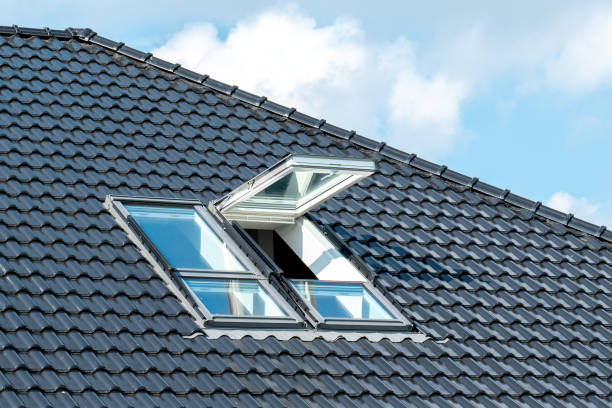
Opening rooflights, also known as ventilating skylights, can be manually or electrically opened to allow fresh air into your home.
Best for:
- Flat and pitched roofs where ventilation is essential
- Rooms like kitchens, bathrooms, or lofts
Advantages:
- Provides natural ventilation
- Can reduce condensation and improve air quality
- Electrically operated options can be linked to smart home systems for easy control
Considerations:
- Slightly more expensive than fixed rooflights
- Moving parts may require more maintenance over time
Visual tip: Imagine a flat roof with a sleek opening rooflight above the kitchen island—it floods the space with light while allowing hot air to escape, creating a comfortable cooking environment.
See also: How Technology Reduces Carbon Footprints
3. Flat Glass Rooflights
Flat glass rooflights are a popular choice for modern homes, particularly those with flat roofs. They offer a minimalist, contemporary look and can be installed in multiple configurations.
Best for:
- Flat roofs
- Open-plan living areas where you want a panoramic view of the sky
Advantages:
- Clean, modern aesthetic
- Ideal for larger areas due to modular options
- Often made from high-performance glass for thermal efficiency
Considerations:
- Can be prone to collecting water or debris if not installed at a slight angle
- Requires careful sealing to prevent leaks
Comparison: Compared to dome rooflights, flat glass versions create a sharper, more modern appearance, blending seamlessly with contemporary architecture.
4. Roof Lanterns
Roof lanterns are striking architectural features that sit on top of the roof structure, usually above flat or slightly pitched areas. They often have multiple panes forming a decorative frame, adding elegance to living spaces.
Best for:
- Flat or low-pitched roofs
- Dining rooms, kitchens, and large living areas
Advantages:
- Offers 360-degree daylighting
- Creates a sense of spaciousness and height
- Can be a centerpiece feature, enhancing the home’s style
Considerations:
- Typically more expensive than standard rooflights
- Installation requires structural support to ensure stability
Visual tip: Imagine a flat roof above a dining area with a roof lantern: sunlight pours in from all angles, creating an airy, luxurious atmosphere. This is another area where Skylights Roof Lanterns shine, literally and figuratively, providing both style and functionality.
5. Dome Rooflights
Dome rooflights feature a rounded design that allows light to enter from all directions. They are often seen in commercial spaces but work equally well in homes.
Best for:
- Flat roofs
- Spaces requiring maximum light without compromising structural integrity
Advantages:
- Efficient light distribution
- Can handle heavy rain and snow due to curved design
- Less prone to leaks than flat alternatives
Considerations:
- The rounded shape might not suit every architectural style
- Limited in size compared to flat glass or roof lanterns
Comparison: Dome rooflights are ideal if your primary goal is functional daylighting rather than a decorative statement.
6. Circular Rooflights
Circular rooflights, or “oculus” designs, create a dramatic focal point in your ceiling. They can be fixed or opening, depending on your needs.
Best for:
- Pitched roofs or conservatories
- Rooms where you want a statement feature, such as living rooms or atriums
Advantages:
- Adds architectural interest and uniqueness
- Can be combined with decorative ceiling elements
- Provides soft, evenly distributed daylight
Considerations:
- Installation may require more precise roof cutting
- May not suit all interior designs or rooflines
Visual tip: A circular rooflight above a stairwell or central hallway draws the eye upward and creates a memorable visual effect, especially in homes with high ceilings.
Choosing the Right Rooflight: Quick Pointers
When selecting a rooflight style, consider the following points:
- Roof Type: Flat roofs are better suited to flat glass, dome, or roof lantern styles. Pitched roofs work well with fixed, opening, and circular rooflights.
- Room Function: Kitchens and bathrooms benefit from opening rooflights for ventilation, whereas living rooms or hallways may only need fixed or decorative options.
- Aesthetic Preference: Modern homes may favor flat glass or minimalistic fixed rooflights, while traditional homes could benefit from ornate roof lanterns or circular designs.
- Maintenance Needs: Fixed rooflights require the least maintenance, whereas opening rooflights and roof lanterns may need more care.
- Natural Light Goals: Larger openings, like roof lanterns or circular rooflights, bring in more daylight and can create a sense of spaciousness.
Conclusion
Choosing the right rooflight style depends on a combination of roof type, room function, and your desired aesthetic. From simple fixed rooflights to elegant roof lanterns, each option offers unique benefits and visual appeal.
- Flat roofs: Consider flat glass, domes, or roof lanterns.
- Pitched roofs: Fixed, opening, or circular rooflights are ideal.
- Ventilation needs: Opening rooflights are best for kitchens, bathrooms, or lofts.
- Decorative impact: Roof lanterns and circular rooflights serve as statement pieces while providing ample natural light.
By carefully considering your roof type, space, and goals, you can select the perfect rooflight that brings style, function, and brightness to your home. Investing in a high-quality solution like Skylights Roof Lanterns ensures durability, energy efficiency, and timeless design for years to come.