Modern diesel engines are known for their durability, fuel economy, and high torque output. At the heart of this performance lies one critical component: the diesel fuel injection pump. While many operators focus on injectors and filters, the injection pump is the system’s driving force—controlling fuel pressure, timing, and delivery precision.
Understanding how a diesel fuel injection pump works—and how it affects engine efficiency and emissions—can help fleet managers, mechanics, and equipment owners maximize performance while reducing long-term operating costs.
What Is a Diesel Fuel Injection Pump?
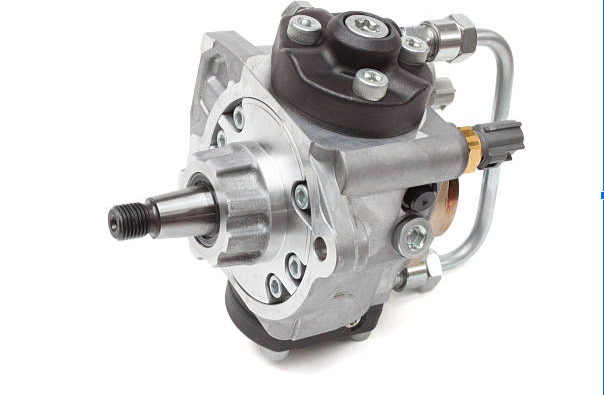
A diesel fuel injection pump is responsible for delivering fuel from the tank to the injectors at extremely high pressure and precise timing. Unlike petrol engines that rely on spark plugs, diesel engines depend on compression ignition. This means fuel must be injected at the right pressure and at exactly the right moment to ensure efficient combustion.
In simple terms, the injection pump:
- Pressurizes diesel fuel
- Controls injection timing
- Regulates fuel quantity
- Ensures even distribution across cylinders
Without it, combustion would be incomplete, leading to power loss, excessive smoke, and higher fuel consumption.
Why Injection Pressure Matters for Efficiency
Diesel combustion depends heavily on atomization—the process of breaking fuel into fine droplets before ignition. The finer the fuel spray, the better it mixes with compressed air inside the cylinder.
High-pressure injection systems improve:
1. Fuel Atomization
Higher pressure creates smaller fuel droplets, allowing more complete combustion. This improves energy extraction from every drop of fuel.
2. Combustion Speed
Better mixing leads to faster and more controlled combustion, which improves torque output and reduces unburnt fuel.
3. Fuel Economy
Precise fuel delivery minimizes waste, helping engines achieve better kilometers per liter or lower fuel-per-hour consumption in heavy machinery.
In modern engines, injection pressures can exceed 2,000 bar, significantly enhancing combustion efficiency compared to older mechanical systems.
Common Rail Systems: Precision at Its Best
One of the biggest advancements in diesel technology is the common rail fuel injection system.
How It Works
In a common rail setup:
- The injection pump pressurizes fuel into a shared rail (a high-pressure accumulator).
- Electronic injectors receive fuel from this rail.
- An engine control unit (ECU) determines injection timing and quantity.
This separation of pressure generation and injection timing allows for exceptional control.
Efficiency Benefits
Common rail systems allow:
- Multiple injections per combustion cycle
- Pre-injection to reduce noise
- Post-injection to reduce soot
- Optimized fuel delivery under varying loads
Because fuel injection is electronically controlled, engines can adapt to speed, load, and temperature changes in real time—leading to improved fuel efficiency and smoother operation.
See also: How Technology Reduces Carbon Footprints
High-Pressure Mechanical Injection Pumps
Before electronic systems became widespread, engines relied on mechanical high-pressure injection pumps. While simpler, these systems are still common in older trucks, marine engines, agricultural equipment, and industrial machinery.
Characteristics of Mechanical Systems
- Cam-driven pump mechanisms
- Fixed injection timing (with limited adjustment)
- Single injection per cycle
- Durable and easy to maintain
Although mechanical systems are robust and reliable, they lack the precise modulation of electronic common rail systems. This often results in:
- Higher fuel consumption
- More visible exhaust smoke
- Slightly reduced combustion efficiency
However, when properly maintained, mechanical injection pumps can still deliver dependable performance for demanding applications.
The Link Between Injection Pumps and Emissions
Engine emissions are directly influenced by how fuel is injected and burned. Poor injection performance increases harmful exhaust components such as:
- Particulate matter (PM)
- Nitrogen oxides (NOx)
- Unburnt hydrocarbons (HC)
- Carbon monoxide (CO)
How Precision Injection Reduces Emissions
A well-functioning diesel fuel injection pump helps reduce emissions by:
- Ensuring Complete Combustion
Precise timing and high pressure reduce unburnt fuel. - Reducing Black Smoke
Proper atomization minimizes soot formation. - Lowering Fuel Consumption
Efficient combustion decreases carbon output per operating hour. - Supporting Emission Control Systems
Modern engines with EGR, DPF, and SCR systems depend on accurate fuel injection to function effectively.
When the injection pump performance declines, emissions typically rise—often before noticeable power loss occurs.
Signs of Diesel Fuel Injection Pump Wear
Like any mechanical component, injection pumps wear over time. Recognizing early warning signs can prevent costly breakdowns.
1. Hard Starting
If the engine struggles to start—especially when cold—it may indicate insufficient injection pressure.
2. Loss of Power
Reduced fuel delivery leads to incomplete combustion, resulting in lower engine output.
3. Increased Fuel Consumption
When injection timing or pressure is incorrect, the engine compensates by burning more fuel.
4. Excessive Exhaust Smoke
Black smoke often signals poor atomization or over-fueling caused by pump wear.
5. Rough Idling or Misfiring
Irregular fuel delivery disrupts combustion balance between cylinders.
6. Fuel Leaks
Seal deterioration within the pump may cause visible leaks or air intrusion.
Ignoring these signs can lead to injector damage, piston issues, or complete engine failure.
How Maintenance Impacts Injection Pump Performance
Maintaining a diesel fuel injection pump isn’t just about avoiding breakdowns—it’s about preserving efficiency and meeting emission standards.
Use Clean Fuel
Contaminated diesel accelerates wear on internal pump components. Water and dirt are especially harmful.
Replace Fuel Filters Regularly
Clogged filters increase pump strain and reduce injection pressure.
Monitor Fuel Quality
Low-quality fuel may lack proper lubricating properties, increasing internal friction.
Schedule Professional Testing
High-pressure injection pumps should be tested using calibrated equipment to verify pressure and timing accuracy.
Routine maintenance extends pump lifespan and protects the entire fuel system.
Economic Impact of Injection Pump Efficiency
A properly functioning diesel fuel injection pump directly affects operating costs.
For fleets and heavy equipment operators:
- Even a 3–5% improvement in fuel efficiency can save thousands annually.
- Reduced emissions mean fewer compliance issues and penalties.
- Preventive maintenance costs far less than full pump replacement.
In industries where equipment runs for hundreds or thousands of hours yearly, injection efficiency plays a critical role in profitability.
The Future of Diesel Injection Technology
Diesel injection systems continue to evolve, with innovations such as:
- Ultra-high-pressure injection systems
- Piezoelectric injectors
- Smart electronic diagnostics
- Improved emission integration
These advancements aim to balance power, efficiency, and environmental responsibility. As emission regulations tighten globally, precision fuel injection will become even more essential.
Final Thoughts
The diesel fuel injection pump is far more than a mechanical component—it is the engine’s efficiency regulator. From controlling atomization to reducing harmful emissions, its role is central to performance, reliability, and cost control.
Whether in a modern common rail engine or a traditional high-pressure mechanical system, maintaining optimal injection performance ensures:
- Better fuel economy
- Lower emissions
- Increased engine longevity
- Reduced operational downtime
For equipment owners, fleet operators, and mechanics, understanding how the diesel fuel injection pump impacts engine efficiency and emissions is the first step toward smarter maintenance and long-term savings.
If you’re noticing signs of wear or planning preventive upgrades, ensuring you select high-quality diesel fuel injection components is critical to protecting your engine investment.