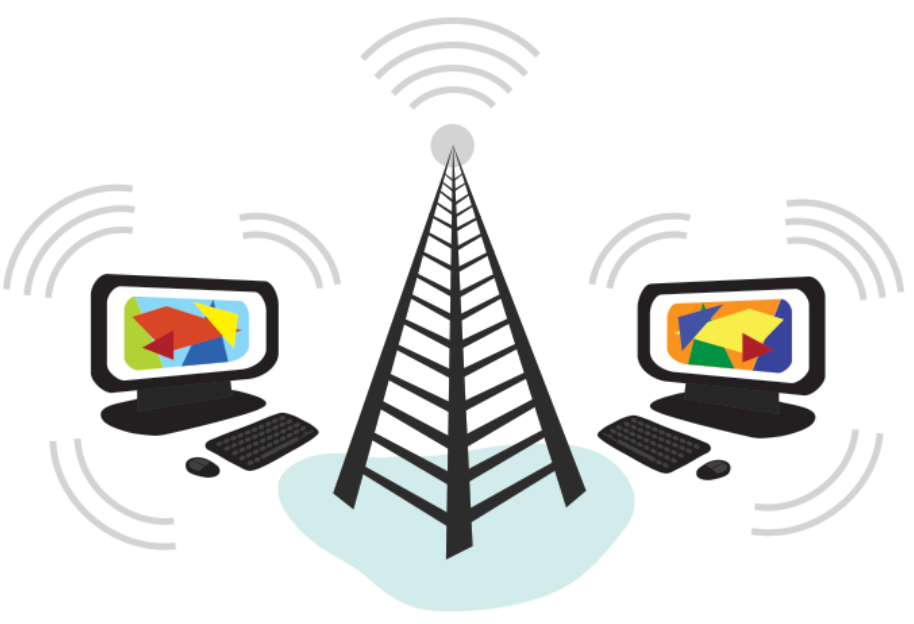
The internet is a complex system that relies on various components for effective communication. Data packets travel through networks, guided by protocols that ensure their accuracy. Servers provide content hosting, while routers manage the traffic flow. Each device is identified by a unique IP address, facilitating connectivity. Understanding these elements is crucial for grasping how digital interactions occur. What lies beneath this intricate framework may surprise many users.
Understanding Data Transmission
Data transmission serves as the backbone of internet communication, enabling devices to exchange information seamlessly.
This process involves the movement of data packets across networks, guided by various transmission protocols. These protocols dictate how data is formatted, transmitted, and received, ensuring accuracy and efficiency.
Understanding these fundamental elements empowers users to appreciate the intricacies of digital communication, fostering a sense of freedom in their online experiences.
The Role of Servers and Hosting
The functionality of the internet heavily relies on servers and hosting services, which act as the backbone for storing and delivering content.
Various server types, such as dedicated, shared, and cloud servers, cater to different needs.
Hosting services provide the infrastructure required for websites to operate, ensuring that users can access information seamlessly, promoting a free exchange of ideas and resources in the digital realm.
See also: How Technology Reduces Carbon Footprints
Navigating the Internet With Routers
Routers play a crucial role in navigating the internet, directing data packets between devices and networks.
Their effectiveness relies on proper router configuration and adherence to various network protocols.
By managing traffic efficiently, routers ensure seamless communication across the internet.
This allows users to enjoy a free and open online experience, as data travels efficiently to its intended destination without unnecessary delays.
The Importance of IP Addresses
IP addresses serve as the essential identifiers that enable devices to communicate over the internet. They can be classified as static or dynamic, with static addresses remaining constant while dynamic addresses can change.
Additionally, IP addresses are divided into private and public categories, where private addresses are used within local networks, and public addresses are necessary for global internet communication, ensuring seamless connectivity.
Conclusion
In the grand symphony of the internet, data dances through the air, guided by the invisible hands of servers, routers, and IP addresses. Each component plays its part, harmonizing to create a seamless flow of communication. As packets traverse this digital landscape, they weave connections that transcend distance, bringing information to our fingertips. Ultimately, this intricate tapestry of technology not only fosters connectivity but also enriches our lives, transforming the way we share, learn, and engage with the world.