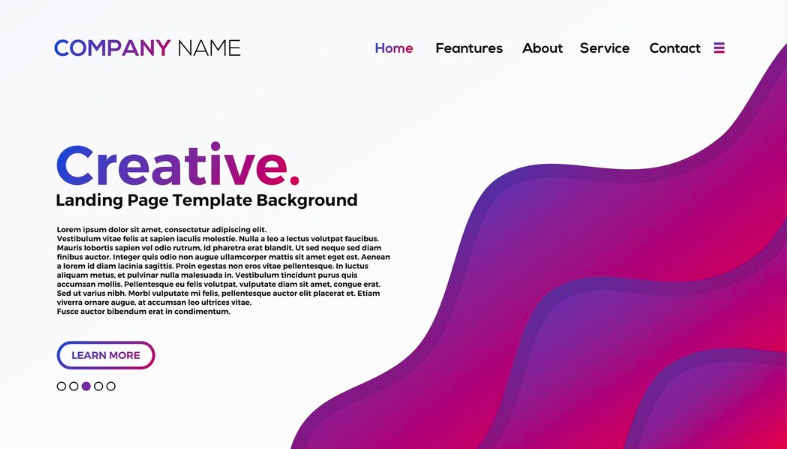
In the digital marketplace, design is not only about aesthetics but also about influencing perception and behavior. Every visual element contributes to how users interpret a brand, and color plays one of the most powerful roles in shaping online decisions. A professional web design agency in Virginia understands that color psychology directly affects user trust, emotional response, and purchasing behavior. When visitors land on a website, their brains process color before text or layout, forming instant impressions that guide whether they stay, explore, or leave.
Color psychology combines principles from behavioral science, marketing, and visual communication. Businesses that understand how colors influence emotion and cognition can design experiences that subtly guide users toward engagement and conversions. Rather than being decorative choices, colors act as silent persuaders that influence confidence, urgency, and brand perception.
This article explores how color impacts online buying decisions, how different hues affect user psychology, and how businesses can apply color strategically to create more effective digital experiences.
The Science Behind Color Psychology in Digital Design
Human brains process visuals significantly faster than written information. Colors trigger emotional and psychological responses through associations developed from culture, experience, and biological reactions.
When users visit a website, they subconsciously evaluate several elements within seconds:
- Trustworthiness of the brand
- Professionalism of the website
- Emotional comfort while browsing
- Perceived value of products or services
Color becomes a shortcut for decision making. Warm tones can create excitement and urgency, while cooler shades often promote calmness and reliability. These reactions influence whether users continue browsing or abandon the page.
Studies in behavioral psychology suggest that emotional responses strongly influence purchasing decisions, often more than logical evaluation. This means color choices directly affect conversion outcomes even when users are unaware of the influence.
First Impressions Are Color Driven
Online users form opinions about websites almost instantly. Before reading headlines or understanding offerings, visitors react emotionally to visual harmony and color balance.
Color contributes to first impressions in several ways:
- Establishes brand personality immediately
- Signals professionalism and credibility
- Creates emotional comfort or discomfort
- Guides visual attention across the page
A mismatched or overwhelming color palette can create cognitive friction. Users may perceive the website as unreliable or outdated even if the content is valuable. Conversely, a balanced color scheme creates familiarity and confidence, encouraging exploration.
Design psychology shows that consistency across backgrounds, buttons, and typography strengthens recognition and improves user memory of a brand.
Emotional Associations of Popular Website Colors
Different colors trigger different emotional interpretations. While cultural variations exist, many associations remain broadly consistent across digital audiences.
Blue: Trust and Stability
Blue is widely used in technology, finance, and professional services because it conveys reliability and calmness. It reduces anxiety and helps users feel secure when sharing personal information or making purchases.
Websites using blue tones often appear dependable and structured. This explains why many corporate and SaaS platforms rely heavily on blue palettes.
Red: Urgency and Attention
Red stimulates energy and excitement. It naturally draws attention and increases emotional intensity, making it effective for highlighting important elements.
However, excessive red can create stress or aggression. Strategic placement is essential to maintain balance.
Green: Growth and Balance
Green is associated with nature, health, and progress. It communicates harmony and reassurance, making it popular among wellness, sustainability, and financial brands.
Green often creates a sense of positive action without pressure, which can support confident decision making.
Yellow: Optimism and Energy
Yellow evokes warmth and optimism but must be used carefully. High brightness can cause visual fatigue when overused.
Used strategically, yellow highlights key information and adds friendliness to digital experiences.
Black: Luxury and Sophistication
Black communicates elegance, exclusivity, and authority. Luxury brands frequently rely on dark palettes to signal premium positioning.
Minimalist black designs also reduce distractions, allowing products to stand out visually.
How Color Influences User Behavior on Ecommerce Websites
Color does more than shape emotions. It actively guides how users navigate websites and interact with content.
Visual Hierarchy and Attention Direction
Colors help designers create hierarchy by guiding the eye toward important areas. High contrast elements naturally attract attention first.
For example, users typically notice:
- Action buttons before body text
- Highlighted offers before supporting information
- Contrasting sections before neutral backgrounds
Strategic contrast ensures users follow a logical journey through the website.
Decision Confidence
Colors influence perceived risk. Calm and balanced palettes reduce hesitation, especially during checkout processes.
Soft backgrounds combined with strong accent colors help users focus without feeling overwhelmed, improving decision confidence.
Perceived Value
Color schemes affect how expensive or affordable products appear. Dark minimal palettes often signal premium quality, while bright playful colors may suggest accessibility or affordability.
Designers use color intentionally to align perception with brand positioning.
Cultural and Contextual Factors in Color Perception
Color interpretation is not universal. Cultural background, age group, and industry context all influence how users respond to color choices.
For example:
- White represents purity in some cultures but mourning in others
- Red symbolizes luck in certain regions while signaling danger elsewhere
- Gold may communicate prestige or excess depending on context
Global businesses must consider audience demographics when designing color systems. Localization strategies sometimes include adjusting accent colors for regional markets.
Understanding audience expectations prevents unintended emotional responses that could reduce engagement.
The Role of Contrast and Readability
Color psychology extends beyond emotional meaning into usability. Accessibility and readability strongly influence user satisfaction and buying behavior.
Proper contrast improves:
- Text readability across devices
- Navigation clarity
- Accessibility for visually impaired users
- Overall browsing comfort
Low contrast combinations may look stylish but can frustrate users. Friction during reading increases bounce rates and reduces conversions.
Design psychology emphasizes that effective color choices balance aesthetics with functional clarity.
See also: How Technology Reduces Carbon Footprints
Color and Brand Identity Consistency
Consistency builds familiarity. When users repeatedly encounter the same colors associated with a brand, recognition strengthens over time.
Strong color branding achieves several outcomes:
- Improves memory retention
- Builds emotional association
- Enhances perceived professionalism
- Creates cohesive marketing experiences
From website interfaces to social media visuals, consistent color application reinforces brand identity and trust.
Inconsistent color usage can confuse users and weaken brand recall, especially in competitive markets.
Psychological Triggers in Call to Action Design
Although color alone does not guarantee conversions, it significantly impacts interaction rates when paired with clear messaging.
Effective action elements often rely on:
- High contrast with surrounding elements
- Emotionally stimulating colors
- Clear visual separation from background content
The goal is not to choose a universally perfect color but to create visibility and emotional alignment within the design system.
Testing different color variations frequently reveals surprising behavioral differences among audiences.
Minimalism Versus Vibrancy in Modern Web Design
Modern websites often balance minimalist design with strategic color accents. Excessive color variety can overwhelm users and dilute messaging.
Minimalist color strategies typically include:
- Neutral base palette
- One or two accent colors
- Consistent spacing and contrast
- Controlled visual emphasis
This approach reduces cognitive load, allowing users to focus on products and information rather than visual noise.
Vibrant designs can still be effective when aligned with energetic brand personalities, but they require careful structure to avoid chaos.
The Impact of Color on Mobile User Experience
Mobile browsing introduces additional considerations. Smaller screens amplify the psychological impact of color because users view fewer elements at once.
Mobile optimized color strategies focus on:
- Strong contrast for outdoor visibility
- Simplified palettes for clarity
- Larger colored interaction elements
- Reduced visual clutter
Since mobile users often make faster decisions, color cues become even more influential in guiding behavior.
Designers must test color visibility across different lighting conditions and devices to maintain consistency.
Common Color Mistakes That Reduce Conversions
Even visually appealing websites can fail when color psychology is misunderstood.
Frequent mistakes include:
- Using too many competing colors
- Ignoring accessibility standards
- Choosing colors unrelated to brand identity
- Overusing aggressive tones like red
- Lack of contrast between important elements
These issues create confusion, fatigue, or distrust, which discourages purchasing decisions.
Effective design focuses on intentional color usage rather than trend driven choices.
Data Driven Color Optimization
Modern digital design relies increasingly on experimentation rather than assumptions. Behavioral analytics and testing tools allow designers to evaluate how color changes influence engagement.
Testing may include variations of:
- Button colors
- Background shades
- Highlight sections
- Navigation emphasis
Small adjustments can produce measurable differences in user interaction patterns. Data helps confirm psychological theories in real world contexts.
Continuous refinement ensures color strategies evolve alongside user expectations and design trends.
Future Trends in Color Psychology for Online Experiences
As digital interfaces evolve, color psychology continues adapting to new technologies and user behaviors.
Emerging trends include:
- Dark mode optimization for reduced eye strain
- Adaptive color systems based on user preferences
- Emotion driven personalization
- Accessibility first color frameworks
Designers increasingly combine psychology with technology to create responsive experiences that adjust dynamically to user needs.
Artificial intelligence and personalization tools may soon tailor color environments based on browsing behavior, further strengthening emotional engagement.
Conclusion
Color is one of the most influential yet underestimated elements in online design. Beyond decoration, it shapes perception, emotion, and decision making from the moment users arrive on a website. Strategic color choices build trust, guide attention, and reinforce brand identity while supporting usability and accessibility.
Understanding design psychology allows businesses to move beyond subjective preferences and adopt intentional visual strategies grounded in human behavior. When applied thoughtfully, color becomes a powerful communication tool that enhances user experience and supports confident buying decisions.
In competitive digital environments, successful websites are not simply attractive. They are psychologically aligned with how users think, feel, and act. Color sits at the center of this alignment, quietly influencing every interaction and every decision made online.