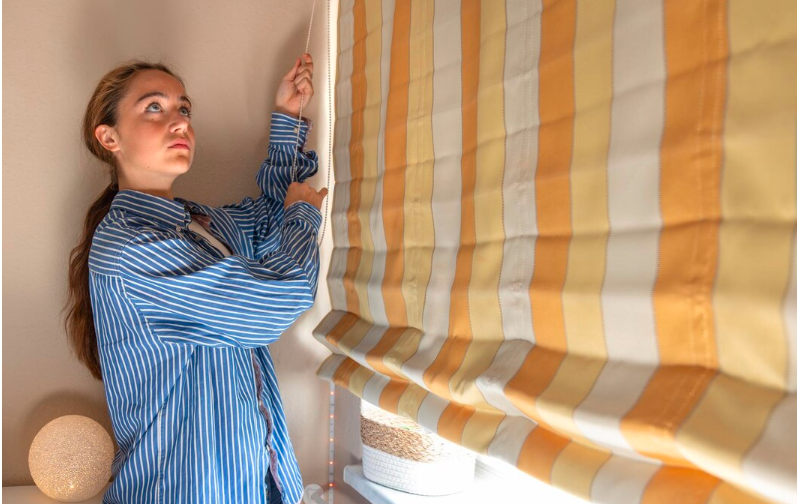
The modern shift toward remote and hybrid work has transformed spare rooms, bedrooms, and living areas into functional workspaces. As people spend more hours in front of screens, lighting conditions have become a critical factor in comfort and productivity. One of the most common challenges in home offices is screen glare caused by uncontrolled sunlight. Roller shade blinds have emerged as an effective and practical solution for managing natural light while maintaining a comfortable working environment.
Unlike traditional window coverings that either block light entirely or allow excessive brightness, roller shades provide controlled illumination. They help reduce reflections on monitors, improve visual clarity, and create a balanced atmosphere suitable for long working hours. Understanding how roller shade blinds minimize glare can help homeowners design healthier and more efficient home offices.
Understanding Screen Glare in Home Offices
Screen glare occurs when excessive or poorly directed light reflects off digital screens, making content difficult to see. This issue is especially common in home offices because residential spaces are not originally designed with workstation lighting in mind.
Glare typically results from direct sunlight entering through windows or bright ambient light bouncing off surfaces. When sunlight hits a computer screen at certain angles, it creates reflections that strain the eyes and reduce visibility.
Common causes of screen glare include:
- Windows positioned directly behind or in front of a monitor
- Unfiltered midday sunlight
- Highly reflective surfaces such as glass desks or glossy screens
- Lack of adjustable window treatments
Without proper light management, glare can lead to frequent posture adjustments, eye fatigue, and reduced productivity throughout the workday.
Why Natural Light Needs Control Rather Than Elimination
Natural light is essential for maintaining focus, mood, and circadian rhythm. Completely blocking sunlight using heavy curtains or blackout materials may solve glare but often creates a dim and uncomfortable workspace.
The goal is not to eliminate daylight but to diffuse and regulate it.
Balanced natural lighting offers several benefits:
- Reduces reliance on artificial lighting
- Supports mental alertness
- Improves overall workspace ambiance
- Enhances visual comfort when properly filtered
Roller shade blinds are specifically designed to strike this balance by softening incoming light rather than completely blocking it.
How Roller Shade Blinds Work to Reduce Glare
Roller shades operate using a single sheet of fabric that rolls smoothly up or down, allowing precise control over how much light enters a room. Their simplicity is key to their effectiveness.
Light Diffusion Technology
The fabric used in roller shades disperses sunlight evenly across the room instead of allowing concentrated beams to enter. This diffusion minimizes harsh reflections on screens.
Instead of direct rays hitting a monitor, light becomes softer and more uniform, reducing brightness contrasts that cause glare.
Adjustable Coverage
Roller shades allow incremental adjustments, enabling users to align light levels with changing sun positions throughout the day.
This flexibility helps maintain consistent screen visibility from morning to evening.
Reduced Contrast Levels
Glare often occurs when there is a strong contrast between bright windows and darker interior spaces. Roller shades lower window brightness, helping screens appear clearer and easier to read.
Types of Roller Shade Fabrics That Help Control Glare
Not all roller shades perform the same way. Fabric selection plays a major role in glare reduction effectiveness.
Solar Screen Fabrics
Solar fabrics are designed specifically for light filtering while preserving outside views.
Key features include:
- UV filtering capabilities
- Reduced brightness without darkening rooms
- Visibility retention during daylight
- Heat reduction alongside glare control
These fabrics are particularly suitable for home offices facing direct sunlight.
Light Filtering Fabrics
Light filtering materials soften incoming light and create a calm indoor glow. They are ideal for rooms needing balanced illumination rather than strong shading.
They work well in offices that receive moderate sunlight throughout the day.
Blackout Fabrics
Blackout roller shades block nearly all incoming light. While effective against glare, they are best used selectively, such as during presentations or video editing tasks requiring controlled lighting conditions.
The Relationship Between Screen Position and Window Light
Even the best window treatments perform optimally when combined with proper workspace arrangement.
Roller shade blinds enhance glare control when desk placement considers light direction.
Recommended positioning strategies:
- Place monitors perpendicular to windows rather than directly facing them
- Avoid positioning screens with bright windows behind the user
- Adjust shade height based on sun angle instead of fully lowering blinds
Combining ergonomic setup with adjustable shades creates the most comfortable viewing environment.
Benefits of Reduced Screen Glare for Productivity
Minimizing glare is not just about comfort. It directly affects work performance and efficiency.
Improved Visual Clarity
When reflections disappear, text and images appear sharper. Workers spend less time adjusting screen brightness or repositioning devices.
Reduced Eye Strain
Continuous exposure to glare forces eyes to work harder. Diffused lighting reduces squinting and visual fatigue during extended screen use.
Better Focus and Concentration
Consistent lighting eliminates distractions caused by fluctuating brightness levels, helping maintain attention during complex tasks.
Enhanced Video Call Quality
Balanced lighting improves camera exposure during virtual meetings by preventing overly bright backgrounds.
Energy Efficiency Advantages
Roller shade blinds contribute to energy efficiency while solving glare problems.
By filtering sunlight, they reduce indoor heat gain, which helps stabilize room temperature. This lowers dependence on cooling systems during sunny hours.
Energy related benefits include:
- Reduced air conditioning usage
- Lower indoor temperature fluctuations
- Improved insulation depending on fabric type
- Better light utilization without artificial lighting
A comfortable workspace temperature further supports productivity and reduces fatigue.
Aesthetic Advantages in Modern Home Offices
Home offices increasingly serve multiple purposes, blending professional functionality with residential comfort. Roller shades complement contemporary interiors due to their minimal design.
Design benefits include:
- Clean and uncluttered appearance
- Compatibility with modern and minimalist decor
- Wide variety of colors and textures
- Streamlined window coverage without bulky fabric folds
Their simple structure ensures that attention remains on the workspace rather than the window treatment itself.
Maintaining Consistent Lighting Throughout the Day
Sunlight changes direction and intensity as the day progresses, which can create shifting glare patterns.
Roller shade blinds allow users to adapt quickly to these changes.
Morning sunlight may require partial lowering, while afternoon light may need greater coverage. This adaptability ensures continuous comfort without redesigning the workspace.
Motorized roller shades further simplify adjustments by allowing precise positioning based on time or lighting conditions.
See also: Navigating Sustainable Business Formation in 2026
Health Benefits of Proper Light Management
Lighting plays a significant role in physical well being, particularly for individuals working long hours indoors.
Reducing glare through roller shades can support healthier work habits.
Positive health effects include:
- Reduced headaches linked to eye strain
- Improved posture due to less screen repositioning
- Lower visual fatigue
- Better mood through balanced daylight exposure
Maintaining comfortable lighting conditions helps prevent long term discomfort associated with poorly designed home offices.
Choosing Openness Factor for Optimal Glare Reduction
The openness factor refers to how tightly woven a roller shade fabric is. It determines how much light and visibility pass through the material.
Common openness levels include:
- 1 percent to 3 percent openness: Maximum glare reduction and privacy
- 5 percent openness: Balanced light filtering and outside visibility
- 10 percent openness: Greater visibility but less glare control
For most home offices, lower openness factors provide the best balance between natural light and screen comfort.
Integration With Smart Home Technology
Modern roller shade systems can integrate with smart home platforms, improving glare management automatically.
Smart features may include:
- Scheduled adjustments based on sunlight patterns
- Remote control through mobile devices
- Voice activated operation
- Light sensor automation
Automation ensures consistent lighting without manual adjustments, particularly useful during long work sessions.
Comparing Roller Shades With Other Window Treatments
Understanding how roller shades differ from alternatives highlights their effectiveness in reducing glare.
Curtains and Drapes
Curtains often block light unevenly and can make rooms too dark when closed fully. They lack precise adjustment capability.
Venetian Blinds
Horizontal slats allow directional control but may still permit sharp light beams that cause glare.
Vertical Blinds
Vertical blinds work well for large windows but can create striped light patterns that still reflect on screens.
Roller shade blinds provide uniform coverage, making them especially suitable for digital work environments.
Tips for Maximizing Glare Reduction
To achieve the best results, consider combining roller shades with thoughtful workspace planning.
Helpful practices include:
- Selecting matte screen finishes when possible
- Using neutral wall colors to reduce reflections
- Adjusting monitor brightness to match ambient light
- Layering lighting with desk lamps for evening work
These adjustments complement the light control offered by roller shades.
Long Term Value for Remote Workspaces
As remote work becomes a permanent part of modern lifestyles, investing in functional workspace design grows increasingly important. Roller shades support both immediate comfort and long term usability.
They adapt to changing seasons, varying daylight hours, and evolving workspace needs without requiring major renovations.
Their durability and simple operation make them a practical addition for homeowners seeking sustainable lighting solutions.
Conclusion
Screen glare is one of the most overlooked obstacles to productivity in home offices, yet it significantly impacts comfort, focus, and eye health. Managing natural light effectively is essential for creating a workspace that supports long hours of digital work without strain.
Roller shade blinds provide an efficient solution by diffusing sunlight, reducing brightness contrast, and allowing precise light control throughout the day. Their ability to balance natural illumination with visual comfort makes them particularly valuable in modern home office environments.
By combining functional design, energy efficiency, and aesthetic simplicity, roller shade blinds help transform residential spaces into comfortable and visually optimized work areas where productivity can thrive under well managed natural light.