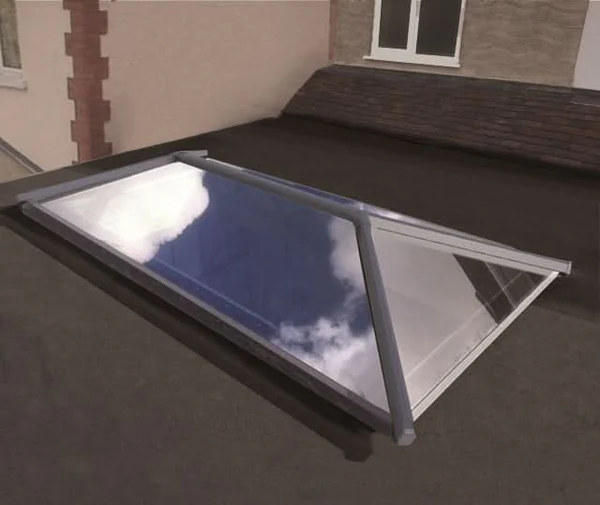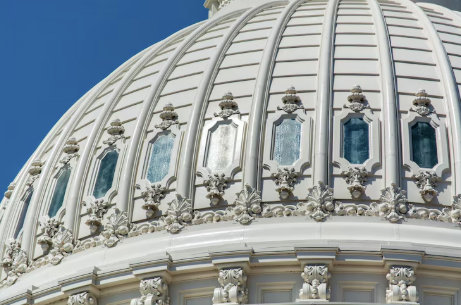
Natural light has become a key element in modern building design, especially in commercial and industrial spaces. Among the various daylighting options available, dome rooflights stand out as a durable, versatile, and cost-effective solution. These rooflights are widely used in warehouses, factories, offices, schools, and retail buildings to enhance interior lighting while improving energy efficiency.
In this guide, we’ll explore what dome rooflights are, their benefits, types, applications, and key considerations when choosing the right option for your building.
What Are Dome Rooflights?
Dome rooflights are raised, dome-shaped glazing units installed on a building’s roof to allow natural light to enter the interior. They are typically made from materials such as polycarbonate or acrylic, which offer strength, clarity, and resistance to impact.
The dome shape is not just aesthetic—it helps diffuse sunlight evenly while also allowing rainwater to run off easily, reducing the risk of water accumulation.
Key Benefits of Dome Rooflights
1. Excellent Natural Daylighting
Dome rooflights allow large amounts of natural light to penetrate deep into interior spaces. Their curved design helps distribute light more evenly compared to flat glazing.
2. Energy Efficiency
By increasing natural daylight, dome rooflights reduce the need for artificial lighting during the day. This leads to lower electricity consumption and reduced energy costs.
3. Durability and Strength
Made from robust materials like polycarbonate, dome rooflights are highly resistant to impact, weather conditions, and UV exposure. This makes them suitable for demanding environments.
4. Weather Resistance
The dome shape helps prevent water pooling, snow accumulation, and debris buildup. Many models are also designed to withstand harsh environmental conditions.
5. Cost-Effective Solution
Compared to more complex roofing systems, dome rooflights are generally more affordable to install and maintain while still delivering excellent performance.
Types of Dome Rooflights
Single Skin Dome Rooflights
These consist of a single layer of material and are typically used in areas where insulation is not a major concern. They are a budget-friendly option for basic daylighting needs.
Double or Triple Skin Dome Rooflights
These feature multiple layers, providing improved thermal insulation and energy efficiency. They are ideal for buildings where temperature control is important.
Fixed Dome Rooflights
These are non-opening units designed purely for daylight entry. They are commonly used in warehouses and industrial spaces.
Opening Dome Rooflights
These can be opened manually or electronically to provide ventilation in addition to natural lighting. They are useful in spaces where air circulation is required.
Flat Base Dome Rooflights
These are mounted on a flat base and are easier to install on flat roofs. They provide a stable and secure fit while maintaining the dome structure above.
See also: Navigating Sustainable Business Formation in 2026
Common Applications of Dome Rooflights
Dome rooflights are widely used across various sectors, including:
- Warehouses and distribution centers
- Manufacturing and industrial facilities
- Office buildings
- Educational institutions such as schools and universities
- Retail stores and shopping complexes
- Public buildings and community centers
Their versatility makes them suitable for both new constructions and retrofit projects.
Materials Used in Dome Rooflights
Polycarbonate
Polycarbonate is known for its high impact resistance, making it virtually unbreakable in many applications. It also offers good light transmission and UV protection.
Acrylic
Acrylic provides excellent optical clarity and is often used where maximum light transmission is desired. It is lightweight but slightly less impact-resistant than polycarbonate.
Factors to Consider When Choosing Dome Rooflights
1. Thermal Performance
For buildings that require insulation, double or triple-skinned dome rooflights are recommended to minimize heat loss or gain.
2. Size and Placement
Proper sizing and strategic placement are essential to maximize daylight while avoiding glare or overheating.
3. Glazing Material
Choose between polycarbonate and acrylic based on durability requirements, budget, and light transmission preferences.
4. Building Regulations
Ensure that the dome rooflights comply with local building codes, fire safety standards, and energy efficiency requirements.
5. Ventilation Needs
If airflow is important, consider opening dome rooflights instead of fixed ones.
Installation Considerations
Installing dome rooflights should always be done by experienced professionals. Proper installation ensures:
- Waterproof sealing to prevent leaks
- Structural compatibility with the roof
- Secure fixing to withstand wind loads
- Correct positioning for optimal daylight distribution
Poor installation can lead to issues such as leaks, heat loss, or reduced lifespan.
Maintenance and Longevity
Dome rooflights are relatively low-maintenance, but regular care helps maintain their performance:
- Clean the surface periodically to remove dirt and debris
- Inspect seals and joints for wear or damage
- Check for cracks or discoloration
- Ensure drainage around the roof is clear
With proper maintenance, dome rooflights can last many years while continuing to perform efficiently.
Advantages Over Other Rooflight Types
Compared to flat rooflights, dome rooflights often provide better water runoff and durability. Their curved design also helps reduce the risk of leaks and enhances structural strength. Additionally, they tend to be more cost-effective and easier to install in many commercial settings.
Final Thoughts
Dome rooflights are a reliable and efficient solution for introducing natural light into commercial and industrial buildings. Their durability, cost-effectiveness, and ability to withstand harsh weather conditions make them a popular choice across a wide range of applications.
Whether you are upgrading an existing building or planning a new construction project, dome rooflights can significantly improve interior lighting, reduce energy consumption, and enhance overall workspace comfort. By selecting the right type, material, and installation approach, you can ensure long-term performance and value from your investment.
In modern architecture, where sustainability and efficiency are key priorities, dome rooflights continue to play an important role in creating brighter, more energy-efficient spaces.