Introduction
As people age, everyday routines like bathing, grooming, and using the restroom can gradually become more difficult and sometimes even hazardous. Bathrooms, in particular, are one of the most accident-prone areas in any home due to slippery floors, hard surfaces, and tight layouts. That’s why smart bathroom remodeling for elderly individuals is not just about upgrading a space—it’s about creating an environment that actively supports safety and independence.
A thoughtfully designed bathroom allows seniors to maintain dignity while reducing reliance on caregivers. By combining practical design strategies with modern innovations, homeowners can create a space that is both functional and comfortable.
This guide covers everything you need to know about Bathroom Remodeling for Elderly, including design ideas, safety features, layout strategies, and long-form expert tips.
Understanding the Needs of Elderly Users
Before beginning any remodeling project, it is essential to understand the physical and lifestyle changes that come with aging. Reduced mobility, joint stiffness, and vision challenges all impact how seniors interact with their surroundings.
Designing a bathroom that responds to these challenges ensures it remains usable, safe, and future-proof. Instead of reactive changes later, proactive planning creates a long-term solution that evolves with the user’s needs.
Prioritizing Safety in Bathroom Design
Safety should always be the foundation of any elderly-friendly bathroom remodel. Since bathrooms present a higher risk of slips and injuries, incorporating multiple safety layers is essential.
- Slip-resistant flooring and stable surfaces: Choosing textured tiles or anti-slip vinyl flooring helps reduce the chances of falls, especially in wet areas like showers and near sinks. These materials provide better grip without compromising on design aesthetics.
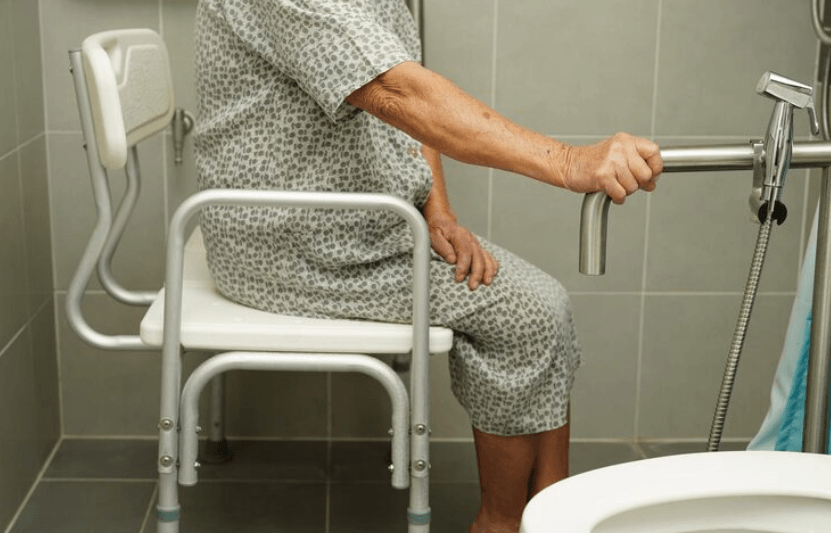
- Strategically installed grab bars and supports: Grab bars placed near toilets, showers, and entry points provide reliable support for sitting, standing, and movement. When properly installed into wall studs, they can handle weight effectively and prevent accidents.
- Temperature control and injury prevention features: Anti-scald valves regulate water temperature to prevent burns, while rounded fixture edges reduce injury risk in case of slips. These small details significantly improve overall safety.
Walk-In Showers and Tubs
Traditional bathtubs can pose serious challenges for elderly individuals due to their height and slippery surfaces. Replacing them with accessible alternatives is one of the most impactful upgrades.
- Walk-in showers with barrier-free entry: These showers eliminate the need to step over a tub edge, making access easier for seniors and wheelchair users. The addition of built-in seating and handheld showerheads further enhances usability.
- Walk-in tubs with therapeutic benefits: Equipped with watertight doors and seating, these tubs allow users to bathe safely while seated. Many also include hydrotherapy jets that help relieve muscle tension and joint pain.
Installing Grab Bars and Support Systems
Support systems are crucial for maintaining balance and confidence in the bathroom. These features should be both functional and seamlessly integrated into the design.
- Proper placement for maximum support: Installing grab bars near toilets, inside showers, and along walls ensures that users always have a stable support point when moving or transitioning between positions.
- Modern designs that blend with interiors: Today’s grab bars come in stylish finishes and can double as towel racks or design elements, ensuring safety doesn’t compromise aesthetics.
Improved Lighting for Better Visibility
Lighting plays a major role in preventing accidents and improving usability, especially for seniors with reduced vision. A well-lit bathroom enhances both safety and comfort.
- Layered lighting for complete visibility: Combining overhead lights, task lighting near mirrors, and accent lighting helps eliminate shadows and ensures every corner of the bathroom is clearly visible.
- Smart and motion-sensor lighting solutions: Motion-activated lights are particularly useful during nighttime visits, automatically illuminating the space without requiring users to search for switches.
Comfort-Focused Fixtures and Features
Beyond safety, comfort is essential in creating a bathroom that seniors enjoy using daily. Thoughtful upgrades can reduce physical strain and improve the overall experience.
- Ergonomic fixtures for ease of use: Raised toilet seats, lever-style faucets, and adjustable showerheads make everyday tasks easier for individuals with limited strength or mobility.
- Enhanced comfort elements: Features like heated flooring, soft-close cabinets, and cushioned seating add an extra layer of convenience and luxury, making the bathroom more inviting.
Smart Technology for Independence
Modern technology is transforming bathrooms into intelligent spaces that support independence and safety. These innovations reduce effort and enhance user control.
- Automation for daily convenience: Voice-controlled lighting, digital shower systems, and automatic flushing toilets allow users to manage their environment effortlessly.
- Safety-focused smart features: Emergency alert systems and leak detectors provide immediate notifications in case of accidents or issues, ensuring quick response and peace of mind.
Accessibility and Space Optimization
A bathroom designed for elderly users should allow easy movement and accessibility, especially for those using mobility aids. Proper layout planning is key to achieving this.
- Open layouts for better mobility: Widened doorways, barrier-free showers, and ample turning space make it easier for wheelchair or walker users to navigate the bathroom safely.
- Smart storage and reachability: Keeping frequently used items within easy reach and minimizing clutter ensures a more functional and user-friendly environment.
See also: How Roller Shade Blinds Reduce Screen Glare in Home Offices
Choosing the Right Materials
The materials used in a bathroom remodel significantly impact safety, maintenance, and durability. Selecting the right options ensures long-term usability.
- Safe and durable surfaces: Slip-resistant tiles, mold-resistant walls, and anti-bacterial coatings contribute to a safer and healthier bathroom environment.
- Low-maintenance finishes: Easy-to-clean materials reduce the effort required for upkeep, making the space more practical for elderly users and caregivers alike.
Budgeting and Planning Your Remodel
Proper planning ensures that your bathroom remodel meets both functional needs and financial expectations. A clear strategy helps avoid unnecessary expenses.
- Prioritizing essential upgrades: Focus first on safety features such as grab bars, non-slip flooring, and accessible fixtures before adding luxury elements.
- Planning for long-term value: Investing in durable materials and future-proof designs ensures that the bathroom remains functional as needs evolve over time.
Conclusion
Smart bathroom remodeling for elderly individuals is about creating a space that promotes safety, comfort, and independence. By combining thoughtful design with modern technology, homeowners can transform their bathrooms into environments that support aging in place.
From accessible showers and proper lighting to ergonomic fixtures and smart innovations, every detail contributes to a safer and more comfortable experience. These upgrades not only reduce risks but also empower seniors to maintain their independence and dignity.
Ultimately, a well-designed bathroom is more than just a home improvement—it’s a meaningful investment in long-term well-being and quality of life.